Tick Tock. Daylight Savings and its Impact on Older Adults
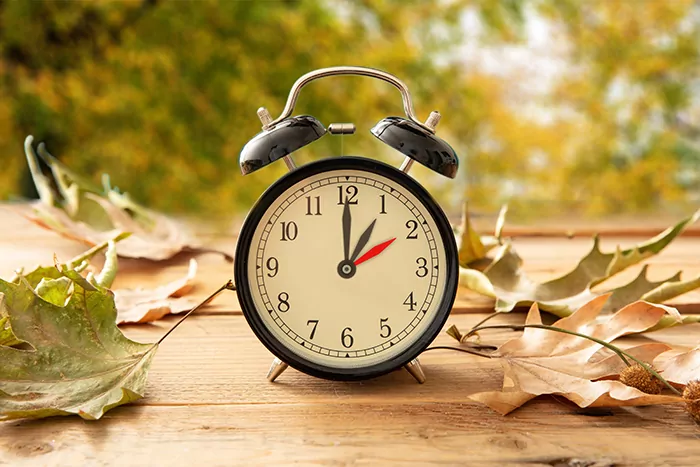
Tick tock. This is your reminder to “fall back” an hour this autumn. Groan. I’m not sure any of us like it. This slight shift can cause big upset to our routine, our sleep, and our emotions. For our senior loved ones, daylight savings time may cause increased emotional, cognitive, and behavioral changes.
Our internal clocks regulate our sleep and awake cycles year-round. When our daylight hours are shortened, our circadian rhythm is thrown off. The senior population is more vulnerable to the effects of this. You may notice changes in their sleep, which in turn may affect their overall mood, energy, and appetite. These changes are even more prevalent in seniors with dementia. The Alzheimer’s Association estimates that 20 percent of seniors living with Alzheimer’s experience “sundowners”, a term that describes a period of increased confusion, anxiety, agitation, pacing, and disorientation beginning at dusk and continuing throughout the night.
Here are some tips to help your loved one adjust to this time change and change in their routine:
Provide emotional support. If appropriate, talk about it. Remind your loved one that it’s again time to set our clocks back one hour. Talk about how this affects you. Ask if they have a hard time adjusting. Reassure them that the first week or two are the hardest and then our bodies tend to adapt.
Reach out. You may want to call your loved one each day to see if and how their routine is affected. They may need medication reminders with the change in their routine.
Schedule smarter. Schedule doctor’s appointments, meetings, and errands earlier in the day when energy levels are highest and we’re more alert. This also helps avoid driving in the dim lighting of dusk.
Think routine. Keep AM and PM routines as familiar as possible.
Take a walk. Get some fresh air, exercise, and sunshine.
Eat well. Ensure your loved one is eating well for the best energy, sleep, and bathroom habits. You may find that eating an earlier, lighter dinner allows for better rest at night.
Limit caffeine.
Take note. What works well? What doesn’t? This may help identify and eliminate triggers.
Wind down. In the evening, low-key activities are best to help transition into restful evening hours. Bedtime routines may be split up to not overwhelm the senior directly before retiring for the day. Bathing before bed may be overstimulating and may be better in the AM hours.
Ensure home safety. Keep interiors and exteriors well-lit. Adjust timers for proper lighting as dusk falls earlier in the day. Proper lighting may prevent confusion, disorientation, and falls. Throw rugs and extension cords are known tripping hazards.
Talk to your doctor. If you or your loved one have questions about your overall health, sleep, mood, medications, diet, etc, call your medical provider and share your questions or concerns.
